

The digital advertising landscape has changed dramatically over the last decade. Consumers have become more selective about the content they engage with, and traditional social ads are finding it increasingly difficult to capture attention. Endless scrolling, ad fatigue, and privacy concerns have created new challenges for marketers across industries.
At the same time, gaming has evolved into one of the world’s most powerful entertainment ecosystems. It is no longer just a hobby. It is a social platform, a cultural hub, and a place where millions of people interact every day.
This shift is changing how brands connect with audiences.
Interactive gaming campaigns are emerging as one of the most effective ways to build engagement, loyalty, and measurable results. For companies looking to stand out in crowded markets, gaming offers something social ads often struggle to provide: meaningful interaction.
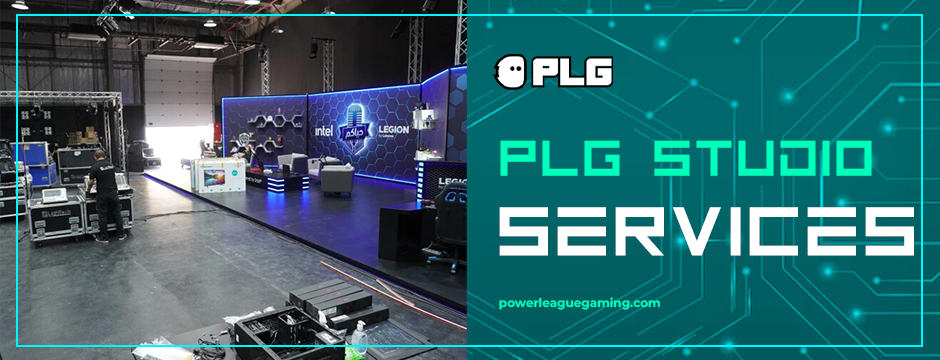
At Power League Gaming, we have seen firsthand how immersive experiences can transform audience relationships and create long-term brand value through PLG Studio services.
The Problem With Traditional Social Ads
Social advertising once revolutionized digital marketing. Platforms offered highly targeted campaigns and unprecedented reach. Over time, however, users became overwhelmed by a constant stream of sponsored content.
Consumers today encounter thousands of marketing messages daily. As a result, attention spans are shrinking while expectations continue to rise.
Several challenges now affect social advertising:
- Banner blindness
- Ad fatigue
- Lower organic reach
- Increased competition
- Rising advertising costs
People are becoming better at ignoring ads.
Even well-designed campaigns struggle to hold attention for more than a few seconds. For brands investing heavily in digital marketing, this presents a difficult reality.
Visibility does not always translate into engagement.
Why Gaming Creates Stronger Engagement
Gaming environments operate differently from social platforms.
Players actively participate rather than passively consume content. They make decisions, solve problems, interact with others, and immerse themselves in experiences for extended periods.
This level of interaction changes how audiences respond to branded experiences.
Instead of interrupting users, gaming campaigns invite them to participate.
That distinction matters.
When consumers choose to engage with content voluntarily, they are more likely to remember it, share it, and develop positive associations with the brand behind it.
This is where Gaming marketing strategies are evolving rapidly.
Modern campaigns focus less on impressions and more on experiences.
Engagement That Goes Beyond Clicks
Traditional social ads often measure success through clicks, impressions, or conversions.
Gaming campaigns introduce deeper forms of engagement:
- Time spent interacting
- Community participation
- Achievement completion
- In-game purchases
- Social sharing
- User-generated content
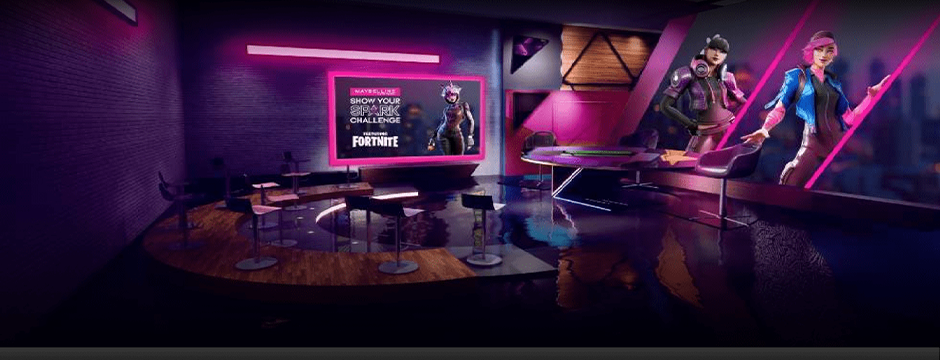
Imagine a branded challenge inside a game where players unlock rewards, compete with friends, and share achievements online.
The campaign becomes part of the entertainment itself.
That creates a lasting impression far stronger than a static advertisement in a social feed.
Interactive Experiences Build Emotional Connections
People remember experiences more than advertisements.
Think about the last digital ad you saw.
Now think about an interactive experience you enjoyed.
Which one stayed with you longer?
Gaming campaigns trigger emotional responses because they involve active participation. Players become part of the story instead of simply watching it unfold.
This emotional engagement is one reason many of the top gaming companies in the world continue investing heavily in immersive experiences.
When audiences feel connected to an experience, they naturally become more loyal to the brands involved.
Community Is the Secret Ingredient
One of gaming’s greatest strengths is community.
Players form friendships, compete in teams, join events, and build shared experiences that extend beyond the game itself.
Brands that enter gaming environments gain access to highly engaged communities.
Unlike traditional ads, gaming experiences encourage conversation.
Players discuss challenges, share clips, post screenshots, and invite others to participate.
The result is organic reach that often exceeds paid advertising efforts.
Effective Gaming marketing strategies recognize that communities are built through interaction, not interruption.
Why Gen Z and Millennials Prefer Interactive Content
Younger audiences have grown up in digital environments where interaction is expected.
Static advertising feels outdated to many consumers.
They want:
- Personalization
- Participation
- Entertainment
- Authenticity
- Social experiences
Gaming naturally delivers all five.
This is why brands targeting younger demographics are increasingly investing in tech-powered gaming solutions that blend entertainment with engagement.
Interactive campaigns meet audiences where they already spend their time.
Data-Driven Campaigns Deliver Better Results
One of the biggest advantages of gaming marketing is access to valuable behavioral insights.
Gaming platforms generate rich data that helps brands understand:
- User preferences
- Engagement patterns
- Session duration
- Purchase behavior
- Community interactions
These insights allow marketers to optimize campaigns in real time.
Rather than relying solely on clicks or impressions, brands can measure meaningful interactions.
This data-driven approach is one reason PLG Studio services continue gaining importance in modern marketing strategies.
Better insights lead to smarter decisions.
Smarter decisions lead to stronger results.
Gamification Increases Participation
Humans naturally enjoy challenges, rewards, and competition.
Gamification taps into these behaviors to drive engagement.
Successful campaigns often include:
- Leaderboards
- Achievement systems
- Rewards
- Exclusive content
- Interactive missions
These mechanics encourage repeat participation and increase retention.
Unlike traditional advertising, gaming campaigns create experiences people actively return to.
This is where tech-powered gaming solutions become powerful tools for marketers seeking deeper customer engagement.
The Rise of Brand Experiences in Gaming
Brands across industries are exploring gaming as a marketing channel.
Technology companies, retailers, entertainment brands, and sports organizations are all entering gaming ecosystems.
Why?
Because gaming offers access to engaged audiences at scale.
Interactive experiences can support:
- Product launches
- Virtual events
- Community campaigns
- Brand storytelling
- Customer acquisition
Many of the top gaming companies in the world have demonstrated how immersive experiences can generate significant cultural impact.
Businesses across sectors are learning from these successes.
The Competitive Advantage of Gaming Campaigns
Brands that adopt gaming experiences early gain a significant advantage.
Interactive campaigns provide:
- Higher engagement rates
- Longer interaction times
- Increased brand recall
- Stronger community growth
- Better customer loyalty
Traditional social ads often compete for seconds of attention.
Gaming experiences can hold attention for minutes or even hours.
That difference dramatically impacts campaign effectiveness.
Forward-thinking companies recognize that Gaming marketing strategies must evolve alongside changing consumer behavior.
How PLG Studio Services Help Brands Succeed
Creating effective gaming campaigns requires expertise, creativity, and technology.
This is where PLG Studio services provide real value.
At Power League Gaming, our focus is on helping brands create immersive experiences that resonate with modern audiences.
From campaign design to execution, gaming activations require careful planning to ensure experiences feel authentic and engaging.
Successful campaigns balance entertainment with brand objectives.
When done well, audiences do not feel marketed to.
They feel involved.
That difference drives results.
The Future of Digital Advertising
The future of marketing is shifting toward participation.
Consumers increasingly prefer experiences over advertisements.
As gaming ecosystems continue expanding, interactive campaigns will become an essential part of digital strategies.
Emerging technologies such as AI, cloud gaming, and immersive environments will create even more opportunities for brands to engage audiences in meaningful ways.
Businesses investing in tech-powered gaming solutions today are positioning themselves for long-term success.
The next generation of digital engagement is already here.
Gaming sits at the center of it.
Lessons Brands Can Learn From Gaming
The rise of interactive gaming campaigns offers valuable lessons for marketers:
- Engagement matters more than exposure.
- Experiences create stronger memories than ads.
- Communities amplify brand reach.
- Data drives smarter decisions.
- Participation builds loyalty.
These principles extend beyond gaming and apply across modern marketing strategies.
The companies that understand this shift will be better positioned to connect with future audiences.
Final Thoughts
Social advertising still plays an important role in digital marketing, but consumer expectations are evolving.
People want interaction.
They want experiences.
They want authenticity.
Interactive gaming campaigns deliver all three.
By creating immersive experiences that encourage participation and community, brands can build deeper relationships with audiences while achieving stronger business outcomes.
As the digital landscape continues to evolve, PLG Studio services are helping businesses navigate the future of engagement through innovative gaming experiences.
For brands looking to move beyond traditional advertising, gaming offers more than visibility.
It offers connection.
And in today’s market, connection is what drives growth.
Frequently Asked Questions
1. Why do interactive gaming campaigns perform better than social ads?
Gaming campaigns encourage active participation, leading to higher engagement, stronger brand recall, and deeper emotional connections.
2. What industries can benefit from gaming marketing strategies?
Technology, retail, entertainment, sports, education, and consumer brands can all benefit from immersive gaming experiences.
3. How do tech-powered gaming solutions improve marketing performance?
They use interactive features, data analytics, and immersive experiences to increase engagement and optimize campaign outcomes.
4. Why are top gaming companies in the world investing in branded experiences?
Branded experiences create stronger communities, improve retention, and generate long-term customer loyalty.
5. How can PLG Studio services help brands enter gaming marketing?
PLG Studio services help businesses design, launch, and optimize interactive gaming campaigns that align with their marketing goals.