

Gaming in the MENA region has evolved into a high-engagement, high-conversion environment where audiences are not just consuming content but actively shaping culture. For food and beverage brands, this presents a clear opportunity. The challenge is not entry. The challenge is entering with precision, relevance, and measurable impact.
A structured approach to gaming and food marketing is required to translate audience attention into brand growth. This guide outlines how F&B brands can enter MENA gaming ecosystems with a clear strategy built on audience behaviour, platform dynamics, and performance outcomes.
The MENA Gaming Ecosystem
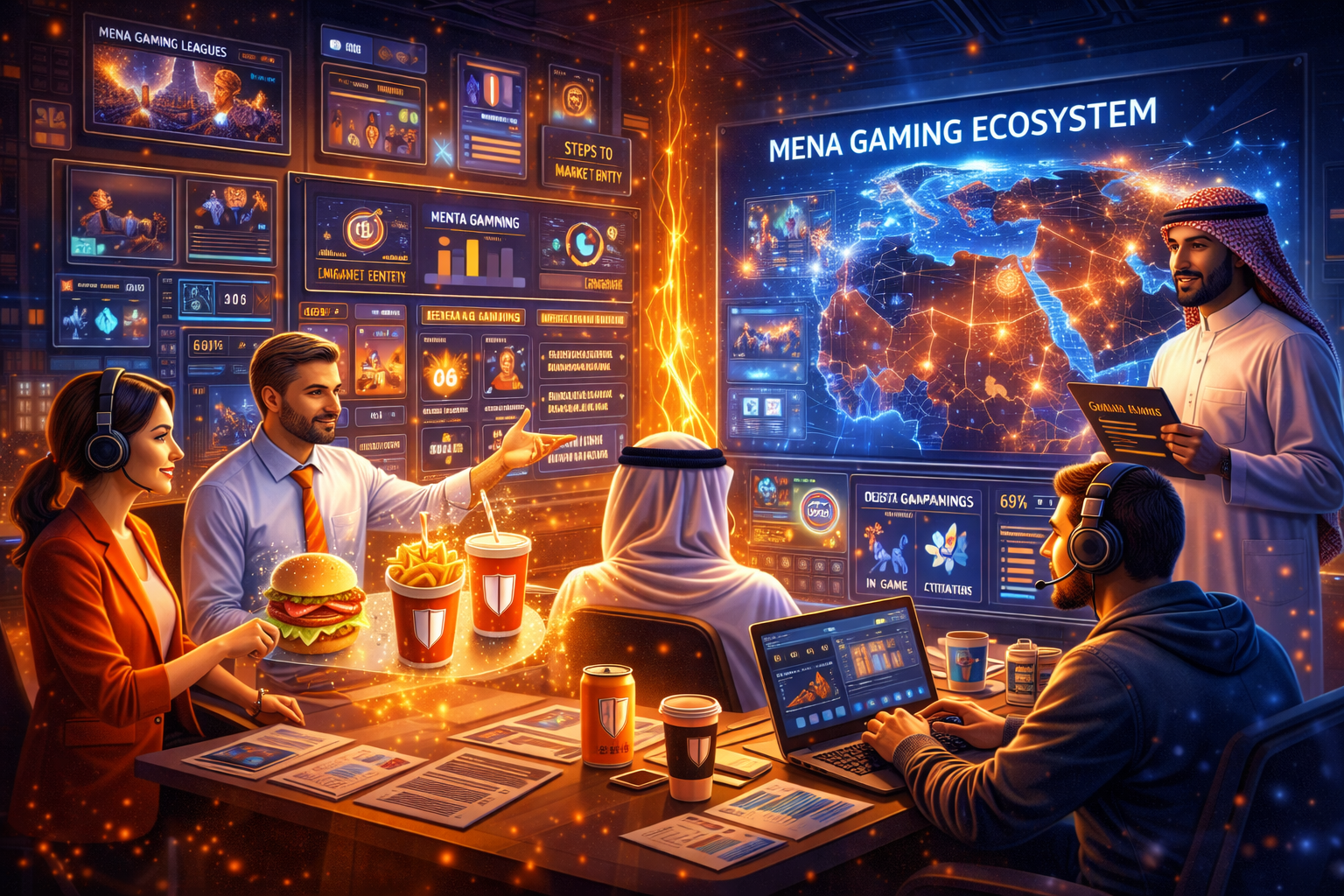
MENA is one of the fastest-growing gaming regions, with a young, mobile-first population and high engagement across streaming, esports, and social platforms.
Key characteristics include:
- High daily engagement across mobile and console gaming
- Strong presence of streaming culture on platforms such as YouTube and Twitch
- Rapid growth of esports ecosystems in Saudi Arabia and the UAE
- A large Gen Z and millennial audience with strong digital consumption habits
For F&B brands, this means access to an audience that is:
- Always connected
- Highly responsive to content
- Open to product discovery through entertainment
Why Gaming Works for F&B Brands in MENA
Gaming aligns naturally with food consumption behaviour.
- Gamers often engage in long sessions, creating frequent snacking moments
- Food is integrated into livestream culture, where creators consume products during streams
- Gaming communities influence purchase decisions through peer interaction
This makes gaming a strong channel for:
- Brand visibility
- Product sampling
- Direct and indirect sales
However, success depends on how well the brand integrates into the ecosystem.
Step 1: Define Market Entry Objectives
Before entering gaming ecosystems, F&B brands must define clear objectives.
Common objectives include:
- Increasing brand awareness among gaming audiences
- Driving product trials and sampling
- Generating direct sales through campaigns
- Building long-term brand affinity within communities
Each objective requires a different execution model. Without clarity, campaigns lose focus and performance becomes inconsistent.
Step 2: Identify High-Value Gaming Audiences
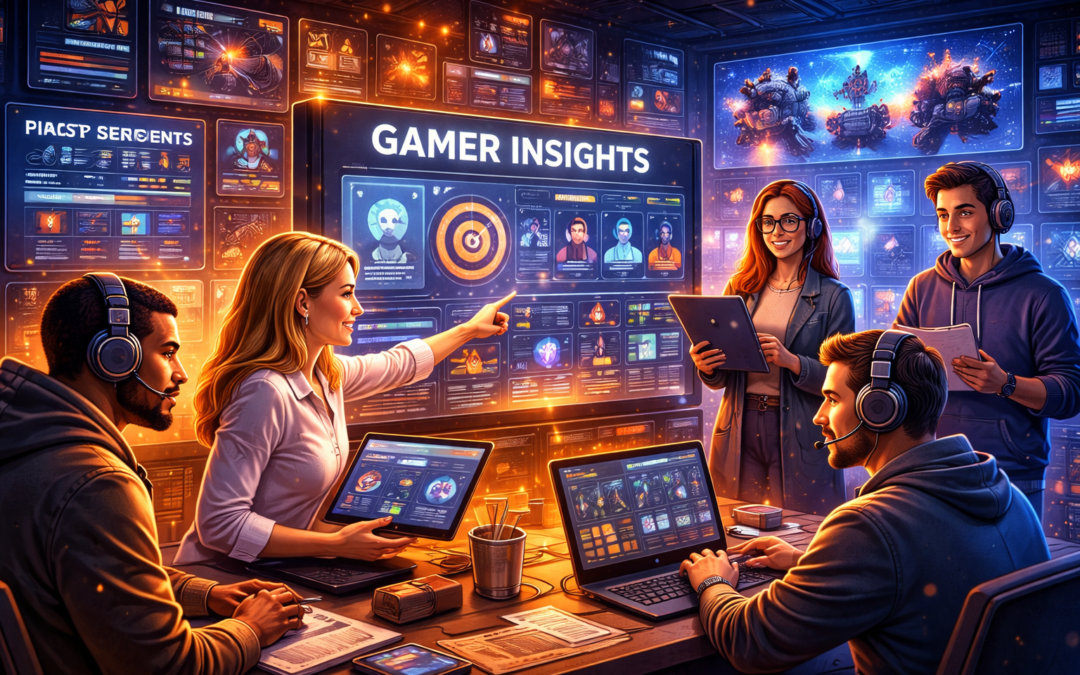
Not all gaming audiences deliver the same value. Segmentation is critical.
Audience Segments in MENA Gaming
- Casual mobile gamers
Large in number but lower engagement depth - Competitive and esports players
High engagement and strong brand loyalty - Content consumers
Regular viewers of streams and gaming videos - Creator communities
Followers of gaming influencers and streamers
What Defines High-Value in MENA
High-value segments show:
- Frequent interaction with gaming content
- Strong participation in livestreams and chats
- Higher responsiveness to influencer recommendations
F&B brands should prioritise segments where engagement leads to action, not just visibility.
Step 3: Select the Right Platforms
Platform selection determines reach and effectiveness.
Key Platforms in MENA Gaming
- YouTube
Dominates long-form gaming content and livestreams - Twitch
High engagement among core gaming audiences - TikTok
Drives discovery through short-form content - Instagram
Supports influencer amplification and community engagement
Platform Strategy
- Use YouTube and Twitch for deep engagement
- Use TikTok and Instagram for reach and discovery
A multi-platform approach ensures both scale and depth.
Step 4: Build a Creator-Led Entry Strategy
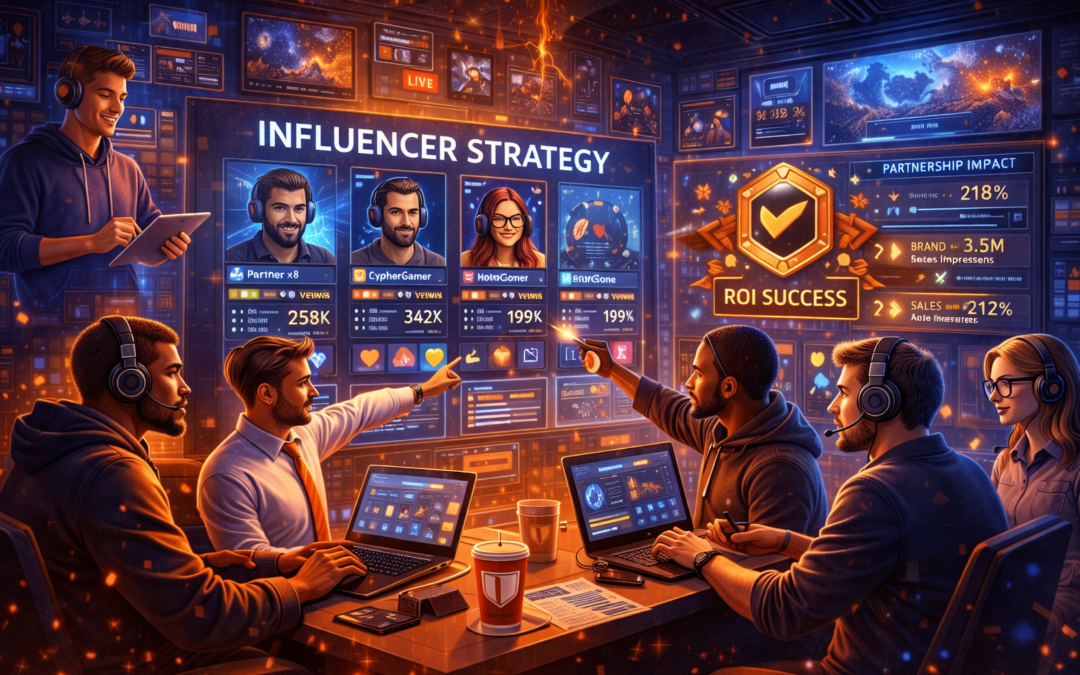
Influencers are central to gaming ecosystems. They shape audience behaviour and drive trust.
Why Creator-Led Entry Works
- Audiences trust creators more than brands
- Content feels organic within gaming environments
- Product integration happens naturally
Execution Approach
- Partner with creators whose audience matches your target segment
- Integrate products into content such as livestreams, challenges, and gameplay
- Focus on authenticity rather than scripted placements
For F&B brands, this means placing products in real consumption moments, not staged advertisements.
Step 5: Develop Platform-Native Content
Content must align with platform behaviour.
Content Formats That Work
- Livestream integrations
Snack breaks, branded segments, and product placements - Short-form videos
Fast-paced, visually engaging content for discovery - Challenge-based content
Interactive formats that encourage participation - Tournament integrations
Brand presence during esports events
Content Principles
- Content should feel native to the platform
- Messaging should align with gaming culture
- Product placement should be contextual, not forced
This ensures higher engagement and stronger recall.
Step 6: Integrate Gamification and Activation
Static campaigns are less effective in gaming environments. Interaction drives performance.
Gamification Strategies
- Reward-based campaigns
- In-game challenges linked to brand actions
- QR-based activations during streams
Offline to Online Integration
- Product packaging linked to digital rewards
- Sampling campaigns connected to gaming events
These approaches connect product experience with digital engagement.
Step 7: Deploy Targeted Paid Media
Paid media amplifies reach and improves targeting precision.
Key Paid Media Channels
- YouTube ads targeting gaming content viewers
- Twitch sponsorship placements
- Social media targeting based on gaming interests
Optimisation Approach
- Focus on high-engagement segments
- Use data to refine targeting continuously
- Align media spend with performance metrics
Paid media should support organic and creator-led campaigns, not replace them.
Step 8: Measure Performance and Optimise
Measurement defines long-term success.
Key Metrics for F&B Gaming Campaigns
- Engagement rate
- View-through rate
- Conversion rate
- Product redemptions
- Repeat interaction
Performance Analysis
- Identify which audience segments perform best
- Adjust content and media strategies accordingly
- Scale high-performing campaigns
Continuous optimisation ensures sustained results.
Step 9: Localise for MENA Markets
MENA is not a single market. Cultural context matters.
Localisation Factors
- Language preferences
- Content style and humour
- Gaming trends specific to each country
- Brand perception within local communities
For example:
- Saudi Arabia has strong esports engagement
- UAE has a diverse, multi-cultural gaming audience
Campaigns must reflect these differences to remain relevant.
Step 10: Build Long-Term Ecosystems
Short-term campaigns create visibility. Long-term ecosystems create value.
Ecosystem Approach
- Build ongoing creator partnerships
- Develop recurring campaign formats
- Engage communities consistently
This approach transforms one-time users into repeat customers.
Common Mistakes in Market Entry
Over-Reliance on Traditional Advertising
Gaming audiences do not respond well to interruptive ads.
Lack of Cultural Understanding
Ignoring gaming behaviour leads to low engagement.
Fragmented Strategy
Running isolated campaigns without integration reduces impact.
Ignoring Data
Decisions without data lead to inefficient spending.
Avoiding these mistakes improves both entry and scale.
How We Approach Gaming and Food Marketing at PLG
At PLG, we approach market entry through a structured framework built on audience insight, platform behaviour, and measurable outcomes.
We combine data from our owned ecosystems, creator networks, and platform analytics to identify high-value gaming audiences across MENA. This allows us to design campaigns that align with real user behaviour, not assumptions.
Our focus is on integrating F&B brands into gaming environments through creator-led content, targeted media, and interactive activations. Every campaign is built to drive engagement, conversion, and long-term brand value.
By aligning strategy, content, and distribution, we ensure that brands entering gaming ecosystems do so with clarity, precision, and measurable impact.
Conclusion
Entering MENA gaming ecosystems requires more than visibility. It requires a structured strategy that aligns audience insight, platform selection, content execution, and performance measurement.
For F&B brands, gaming offers direct access to high-engagement audiences and real consumption moments. When executed correctly, it drives both brand growth and revenue.
Success depends on understanding the ecosystem, selecting the right entry points, and building campaigns that feel natural within gaming culture.
Brands that approach gaming with precision will not only enter the space but establish a strong and lasting presence.
Frequently Asked Questions
1. Why is MENA an important market for gaming and food marketing?
MENA offers a fast-growing gaming audience with high engagement across mobile, streaming, and esports platforms. The region has a strong youth demographic and increasing digital consumption, making it a high-potential market for F&B brands looking to drive awareness, engagement, and sales through gaming.
2. How can F&B brands effectively enter gaming ecosystems in MENA?
F&B brands should adopt a structured approach that includes audience segmentation, platform selection, creator partnerships, and platform-native content. Combining influencer-led campaigns with targeted paid media and interactive activations ensures stronger engagement and measurable outcomes.
3. Which platforms are most effective for gaming and food marketing in MENA?
YouTube and Twitch are effective for long-form and livestream engagement, while TikTok and Instagram support discovery and amplification. A multi-platform strategy helps brands balance reach, engagement, and conversion.
4. What role do gaming influencers play in F&B campaigns?
Gaming influencers help integrate food and beverage products into content naturally. Their influence drives trust, increases product visibility, and encourages audience action, making them a key component of high-performing gaming marketing campaigns.
5. How should success be measured in gaming campaigns for F&B brands?
Success should be measured using engagement rates, view-through rates, conversions, product redemptions, and repeat interactions. These metrics provide a clear view of how effectively a campaign is driving both awareness and business outcomes.